
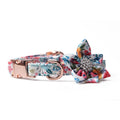


Wide or narrow dog collar?
The width of a collar affects both how it feels and how it looks on your dog. Here, we help you choose a proportionate style based on your dog’s size, neck, coat and how the collar will be used.


Consider your dog’s proportions
A narrower, lighter collar often provides a more balanced fit.
A wider collar can distribute contact across a larger area and look more proportionate.
Sighthounds and other dogs with distinctive proportions may need a specially shaped style.
Narrow and wide dog collars
Your dog’s neck circumference determines the size, but not automatically the most suitable width. Also consider their head, neck length, coat and the product’s weight.
Narrow dog collar
A narrow dog collar often suits puppies, Chihuahuas and other small dogs. Lower weight and more petite hardware can provide better balance on a small body.
Wide dog collar
A wider collar may suit a larger dog or one with a long neck. It creates a more pronounced look and contact across a larger area.
Four factors that determine the width
The right width is one that works with your dog’s individual measurements and the collar’s overall construction.
A small dog usually needs lighter hardware and a narrower strap than a large dog.
A short neck has less room, while a long, slender neck may suit a wider or shaped style.
A thick coat can affect both the measurement and how the width feels. Measure close to the skin without compressing the coat firmly.
Everyday walks, training and dog shows can place different demands on construction and feel.
Your dog’s build may require a different shape
Some dogs need more than a different size. Maul’s range includes styles for sighthounds, small dogs and dogs better suited to round-stitched collars.
Sighthound collars are designed for the long neck and narrow head. Always choose according to your dog’s individual measurements.
View sighthound collarsA round-stitched style has a narrow, rounded profile. It can be an appealing option when you want less contact with your dog’s coat.
View round-stitched stylesWidth does not replace the correct size
A wide collar is not secure if the neck measurement is wrong. Measure your dog and check the size range, product width and hardware on the specific product page.
Hold the tape measure close to the neck without pulling it tight.
Do not rely solely on breed or estimated weight.
The strap, buckle, rings and weight should be proportionate to your dog.
The collar should sit securely without pressing, chafing or being pulled over the head.

Avoid choosing by appearance alone
Colour and design are important parts of the whole, but fit must come first. Three simple checks reduce the risk of choosing incorrectly.
Choosing by breed alone
Two dogs of the same breed can have different neck measurements, head shapes, coats and builds.
Comparing neck measurements alone
Two collars may fit the same circumference but differ significantly in width, weight and hardware size.
Forgetting changes
Puppy growth, weight changes, grooming and seasonal coat changes may mean the fit needs adjustment.
About dog collar width
Is a wide dog collar better?
Not for every dog. A wider collar can provide contact across a larger area and suit a larger or long-necked dog, but may feel bulky on a small dog or very short neck.
How wide should a small dog’s collar be?
Choose a width proportionate to your dog’s neck, while also considering the collar’s weight and hardware. Petit, for example, has a narrow width of 12 mm for puppies and smaller dogs.
Why do sighthounds wear wide collars?
Sighthounds often have a long neck and a head that is narrow in relation to it. A specially designed sighthound collar accounts for these proportions and provides more surface area around the neck.
Is a narrow collar suitable for long-haired dogs?
It depends on the dog and material. A narrow or round-stitched profile may provide less contact with the coat, but fit, surface finish and daily checks are also important.
Can a collar be too wide?
Yes. If the collar takes up too much room on the neck, it may restrict movement or feel bulky. Check that your dog can move their head and neck naturally.
How do I measure the correct size?
Measure the neck circumference where the collar will sit using a soft tape measure. Compare the result with the chart for the relevant style and check the fit when the collar arrives.
Which matters most: width or material?
They need to work together. The correct neck circumference, suitable width, proportionate hardware and a material suited to its use create a well-balanced whole.
Find the right width for your dog
Begin with your dog’s measurements and build. Then choose a collar whose width, weight and construction suit both your dog and your everyday life.